LACRIMAL PUNCTUM DILATOR About
A lacrimal punctum dilator is a specialized ophthalmic surgical instrument used to enlarge the punctum, the tiny opening at the inner corner of the eyelid that drains tears into the lacrimal system. Primary Functions and Uses
- Obstruction Relief: Broadens obstructed tear ducts to restore normal tear flow and discharge.
- Procedural Preparation: Widens the entry point to facilitate further interventions such as:
- Probing and Irrigation: Flushing the lacrimal system with saline to check for or clear blockages.
- Punctoplasty: Surgical widening of a stenotic (narrowed) punctum.
- Stenting or Plug Placement: Preparing the opening for the insertion of lacrimal stents or punctal plugs (for dry eye treatment).
- Diagnostic Assessment: Allows for better examination of the lacrimal drainage system.
- Key Features
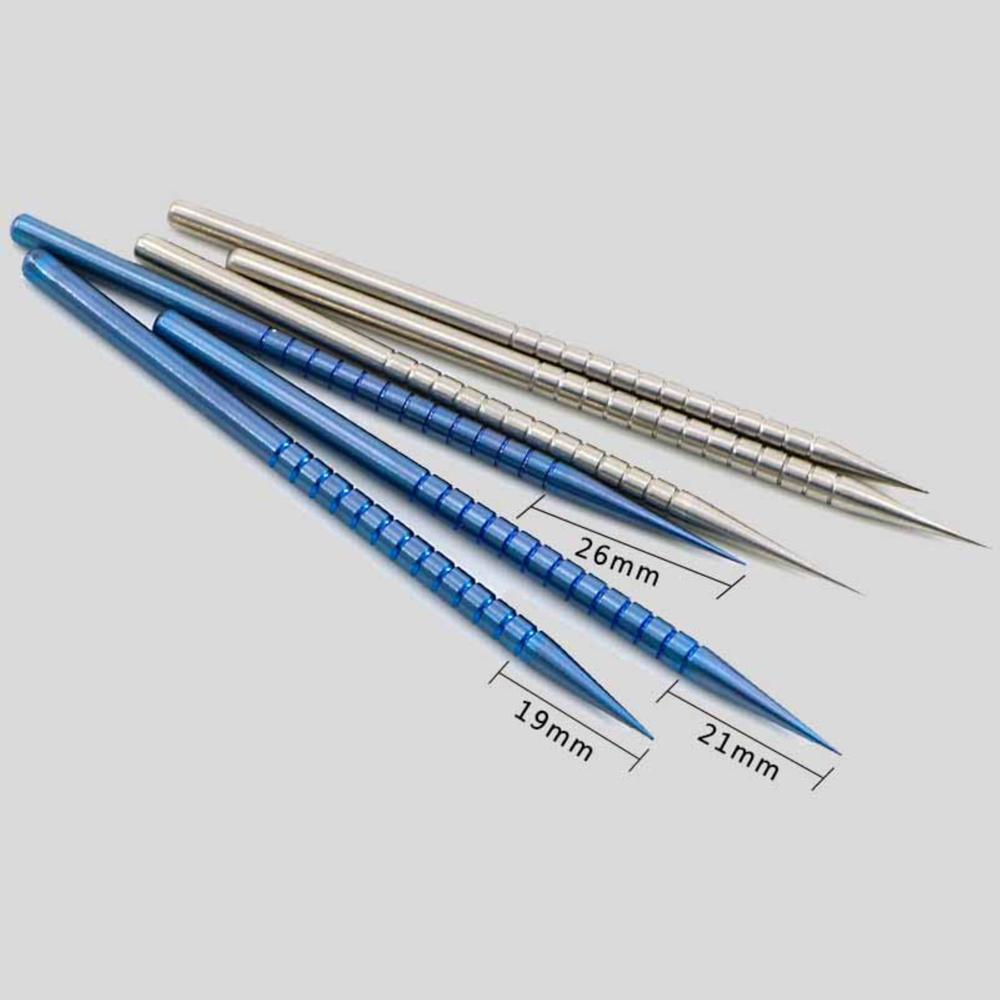
- Design: Typically features a cone-shaped or tapered tip that is highly polished to minimize tissue trauma during entry.
- Variations:
- Single-ended or Double-ended: Double-ended models often feature different taper sizes (e.g., fine and medium) on each side for versatility.
- Taper Types: Available in fine, medium, and heavy tapers to suit different anatomical needs.
- Material: Most are made from high-grade surgical stainless steel or titanium for durability, corrosion resistance, and sterilization.
- Handle: Often includes a knurled or non-slip handle to provide the surgeon with a precise and secure grip
Optimal Grip and PrecisionThe knurled handle design ensures a secure, slip-free grip, providing enhanced control for surgeons and ophthalmologists. The double-ended, tapered cone allows for gentle and gradual dilation, minimizing discomfort and risk of tissue damage during procedures for both adult and pediatric patients.
High-Quality Material and FinishManufactured from surgical-grade stainless steel, the lacrimal punctum dilator offers robust corrosion resistance and a smooth, easy-to-clean surface. The metallic silver finish not only gives it a professional look but also enhances its durability and longevity, making it suitable for repeated use after sterilization.
FAQ's of LACRIMAL PUNCTUM DILATOR:
Q: How is the lacrimal punctum dilator used in ophthalmology procedures?
A: This instrument is designed for the gentle dilation of the lacrimal punctum during ophthalmic examinations or before inserting probes. Its tapered, double-ended cone is inserted into the punctum and rotated gently to create an appropriate opening for further procedures.
Q: What are the benefits of the knurled handle on the dilator?
A: The knurled handle offers a textured surface, providing enhanced grip and control for the user. This ergonomically considered design reduces the likelihood of slipping, ensuring precise and safe manipulation during delicate procedures.
Q: When should the lacrimal punctum dilator be sterilized?
A: The dilator must be thoroughly sterilized before and after every use, typically using an autoclave process, to maintain safe and hygienic conditions for patients and prevent cross-contamination.
Q: What distinguishes this dilator in terms of patient suitability?
A: With its versatile, double-ended design and tapered cone shape, it is suitable for both adult and pediatric patients, making it an adaptable tool in a range of clinical environments.
Q: Where is this punctum dilator commonly used?
A: The instrument is widely utilized in hospitals, specialty ophthalmology clinics, and surgical centers specializing in eye care. Its robust packaging-either poly pack or sterile blister pack-ensures suitability for various healthcare settings.
Q: What is the process to ensure the instrument is ready for reuse?
A: After each procedure, the dilator should be cleaned with appropriate solutions and then sterilized using an autoclave. This process ensures it remains safe, sterile, and ready for subsequent uses.
Q: What are the key advantages of using this stainless steel dilator?
A: Key benefits include its corrosion resistance, lightweight feel, precise tapered design for atraumatic dilation, ease of sterilization, and reusability, all of which contribute to cost savings and efficient patient care.









 Send Inquiry


 Send Inquiry