BAILE EYE LOCKING OPHTHALMIC PROBE About
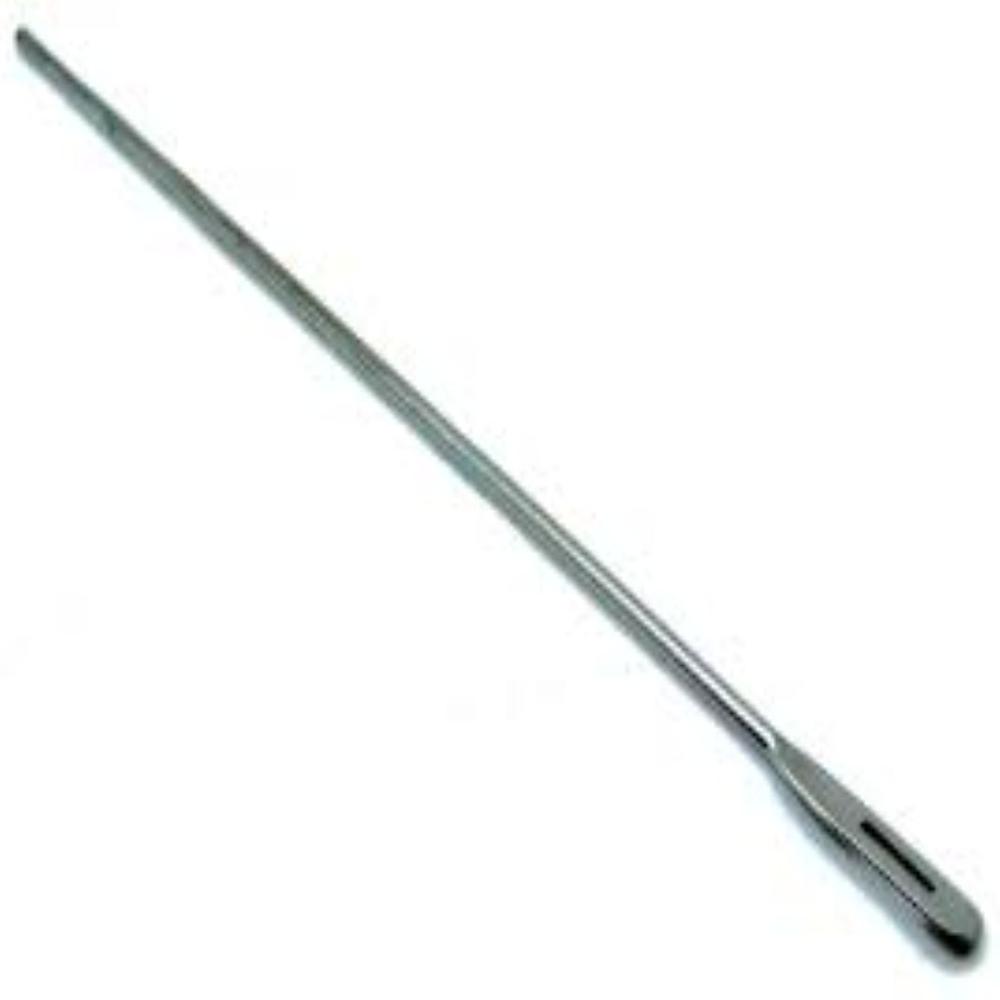
The term "BAILE eye lock probe" appears to refer to a specific type of surgical instrument known as a Baile probe or Baile lacrimal probe, which is used in ophthalmic procedures, particularly for treating blocked tear ducts.
A lacrimal probe is a thin, metal instrument that an ophthalmologist gently passes through the tear duct to open any blockage and restore normal tear drainage. The "eye lock" part of the name likely refers to a feature on the instrument for securing components or the fact that it is used within the structures of the eye's tear drainage system. Key Aspects
- Medical Procedure: The procedure using this probe is a common treatment for tear duct obstructions in both children and adults.
- Minimally Invasive: It is a standard ophthalmic tool for addressing specific anatomical blockages.
- Design: The probes are typically designed with smooth, rounded tips and may come in various sizes or have specific features like a "beveled tip" for enhanced control during surgery.
- Origin of Name: The name "Baile" likely refers to the designer or manufacturer of this specific style of surgical probe.
-
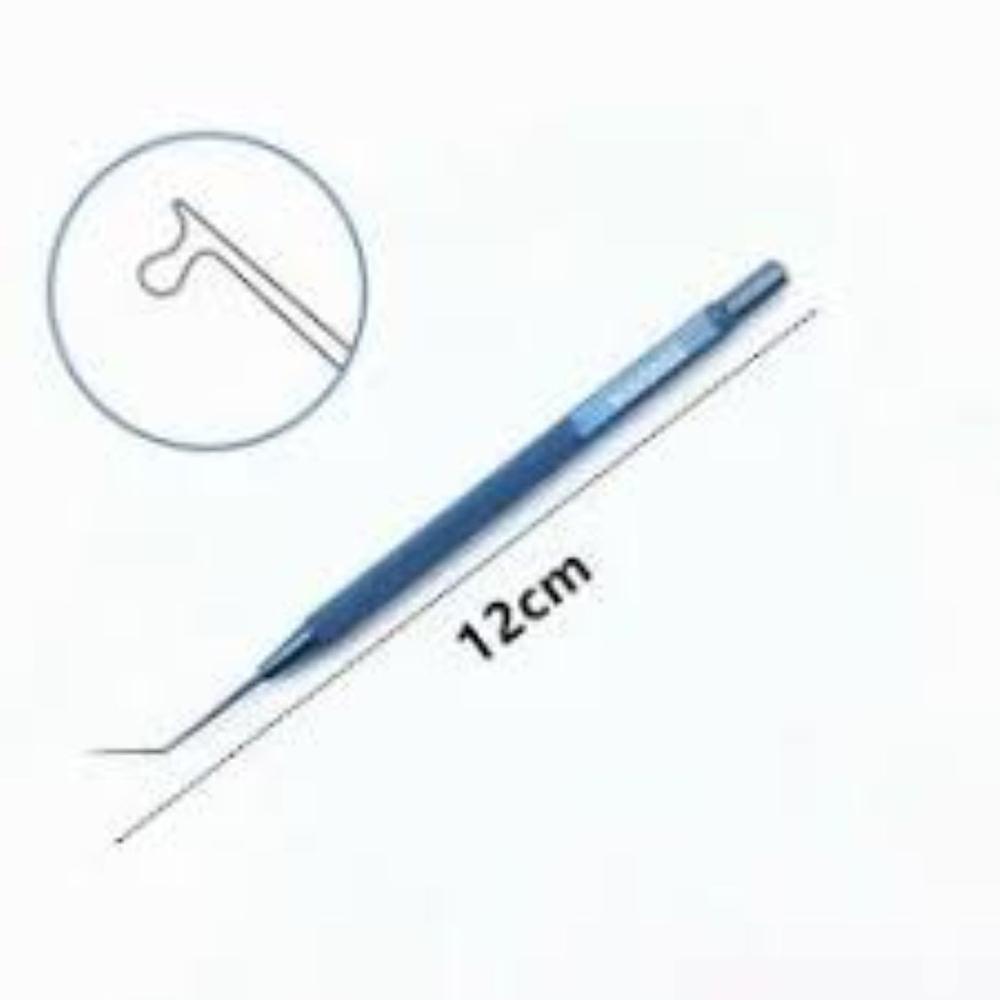
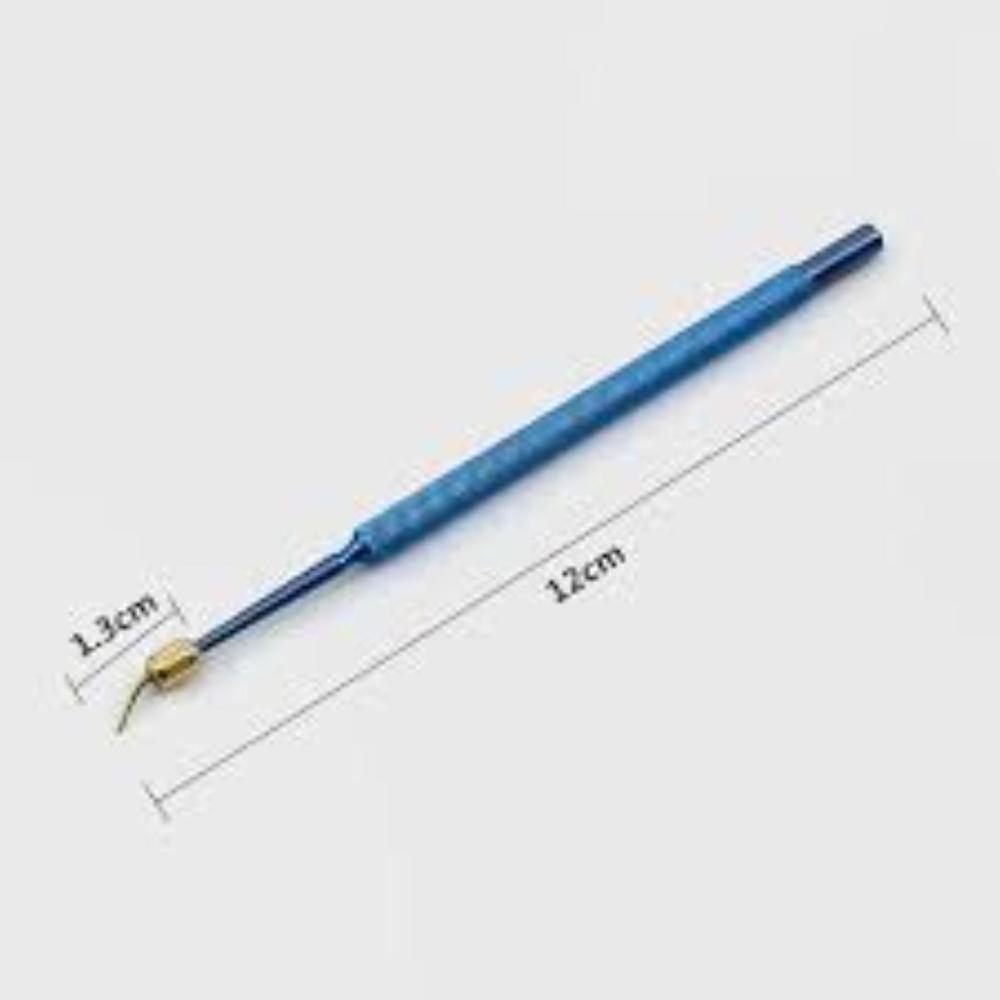
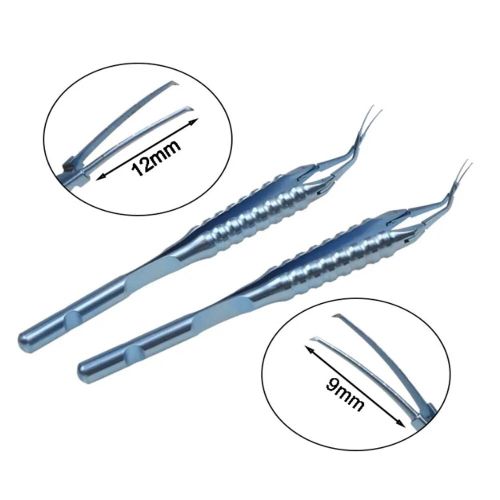
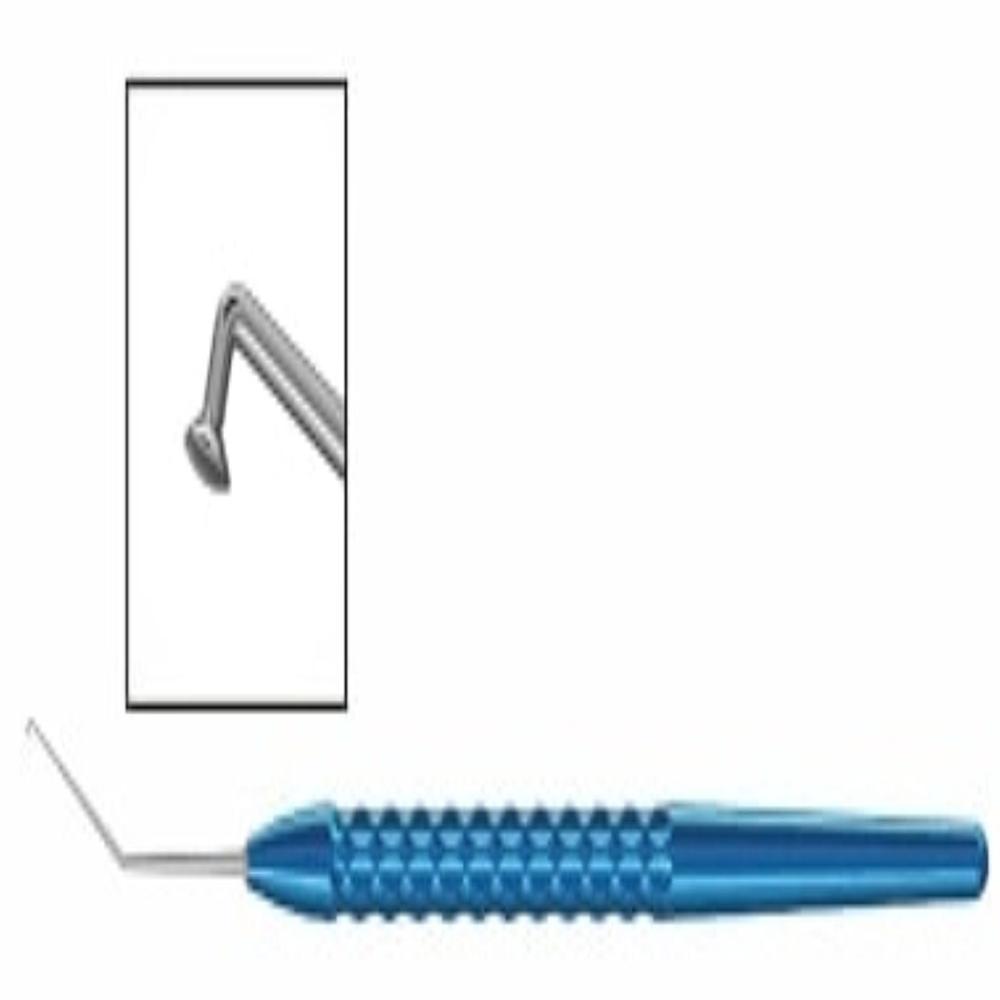
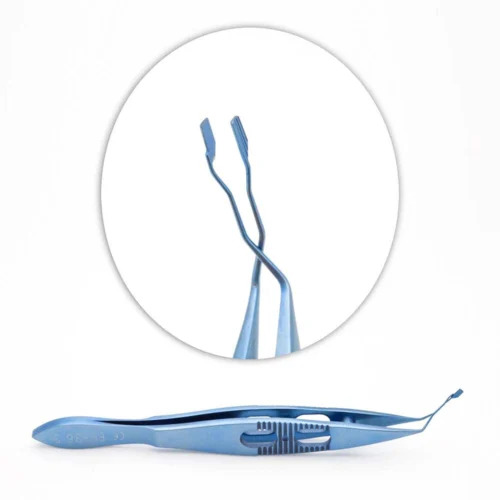
Secure Grip and Precision EngineeringThe BAILE Eye Locking Ophthalmic Probe is meticulously designed with an ergonomic, textured handle that enhances grip and control. Its unique locking mechanism ensures safety, reducing the risk of injury or accidental slippage. The fine, blunt, atraumatic tip offers exceptional precision for intricate ophthalmic procedures, making it an indispensable tool for specialists and surgeons.
Atraumatic Tip and Anti-Glare FinishCrafted with a fine, blunt, atraumatic tip, this probe minimizes tissue trauma for patient safety and optimal outcomes. The matte finish aids visibility by preventing glare during microscopic surgeries, helping surgeons achieve better accuracy and focus in delicate ophthalmic interventions.
Sterile, Durable, and ReusableFabricated from surgical-grade, corrosion-resistant stainless steel, the BAILE Eye Locking Ophthalmic Probe is both durable and autoclavable. Each probe is individually packed in a sterile pouch, ensuring it is ready to use upon opening and safe for repeated use after proper sterilization.
FAQ's of BAILE EYE LOCKING OPHTHALMIC PROBE:
Q: How does the unique eye-locking mechanism improve surgeon safety during ophthalmic procedures?
A: The manual eye-locking mechanism securely holds the probe in position once applied, minimizing accidental movement and helping to prevent injury or tissue damage, thus enhancing procedural safety for surgeons and patients.
Q: What is the benefit of the ergonomic textured handle on the BAILE Eye Locking Ophthalmic Probe?
A: The ergonomic textured handle ensures a firm, slip-resistant grip, providing surgeons with enhanced control and precision, even in demanding microsurgical environments or procedures that require extended handling.
Q: When should this probe be used in ophthalmic surgery?
A: This probe is intended for use in a variety of eye surgeries, such as cataract and retinal procedures, particularly where delicate manipulation and safety are paramount due to its atraumatic tip and secure locking feature.
Q: Where is the BAILE Eye Locking Ophthalmic Probe manufactured and supplied from?
A: The BAILE Eye Locking Ophthalmic Probe is manufactured, exported, supplied, and traded from India, catering to ophthalmic specialists and healthcare institutions globally.
Q: What is the process for reusing the probe after initial use?
A: After use, the probe should be thoroughly cleaned and sterilized through autoclaving according to standard protocols. Its corrosion-resistant stainless steel construction ensures it retains integrity for multiple uses.
Q: How does the matte finish contribute to the probe's effectiveness in surgery?
A: The matte finish reduces light reflection and glare under an operating microscope, providing clearer visibility for the surgeon and aiding in precise manipulation during microsurgical interventions.
Q: What makes this probe suitable for ophthalmic microsurgical procedures?
A: Its fine, blunt, atraumatic tip, secure manual locking mechanism, and surgical grade materials all contribute to its suitability, ensuring delicate tissues can be manipulated safely and efficiently during microsurgery.





 Send Inquiry


 Send Inquiry