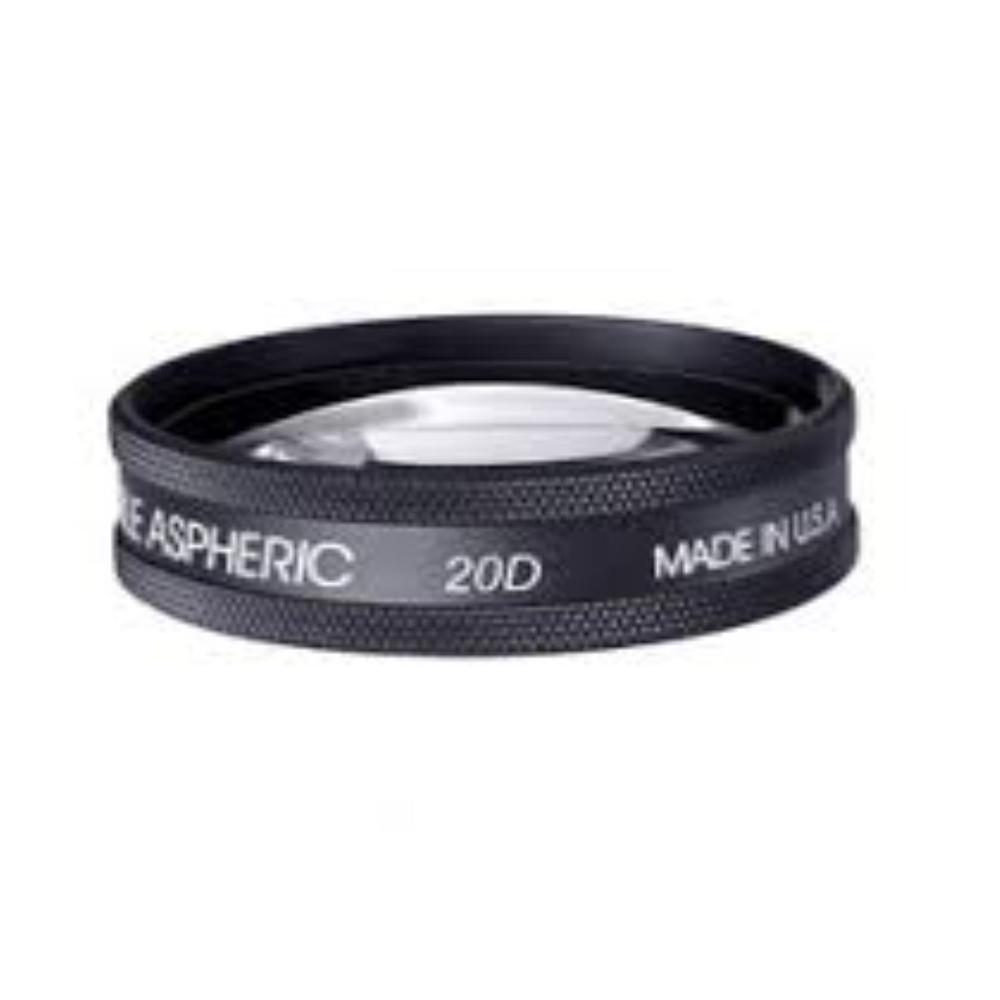
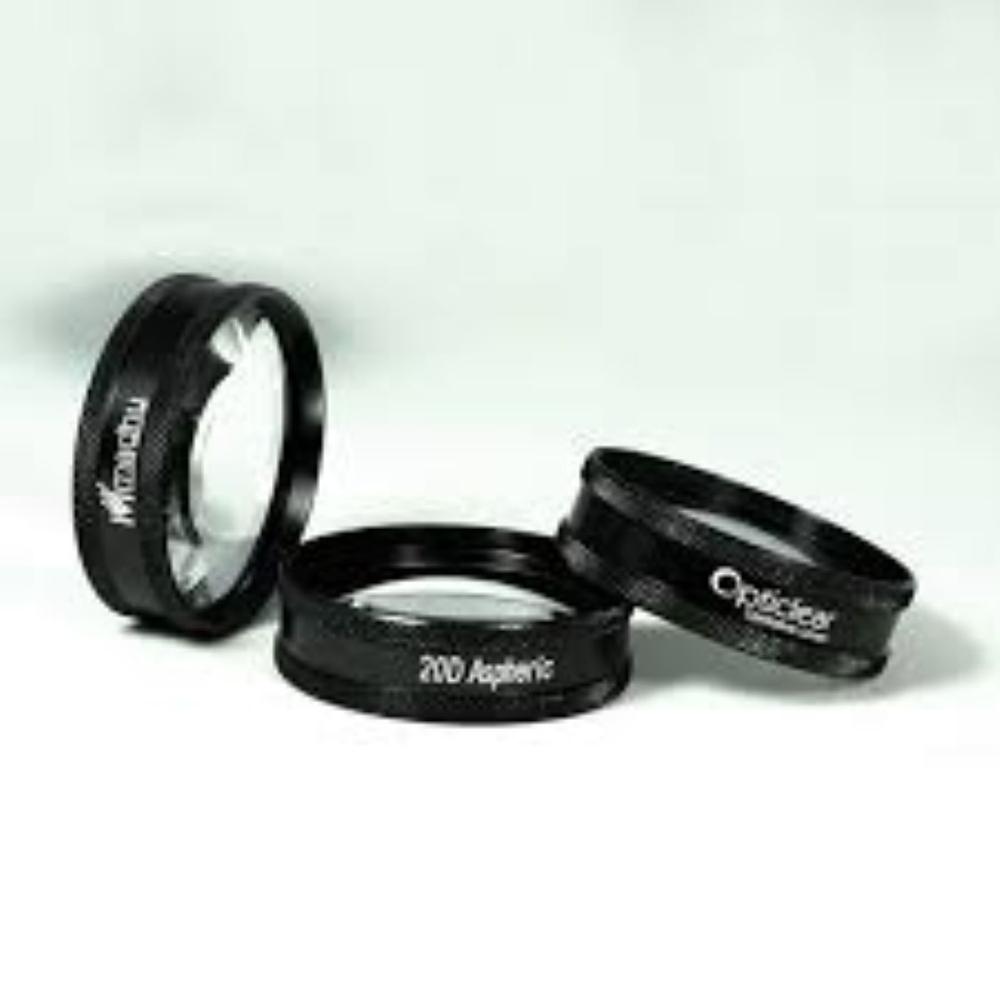
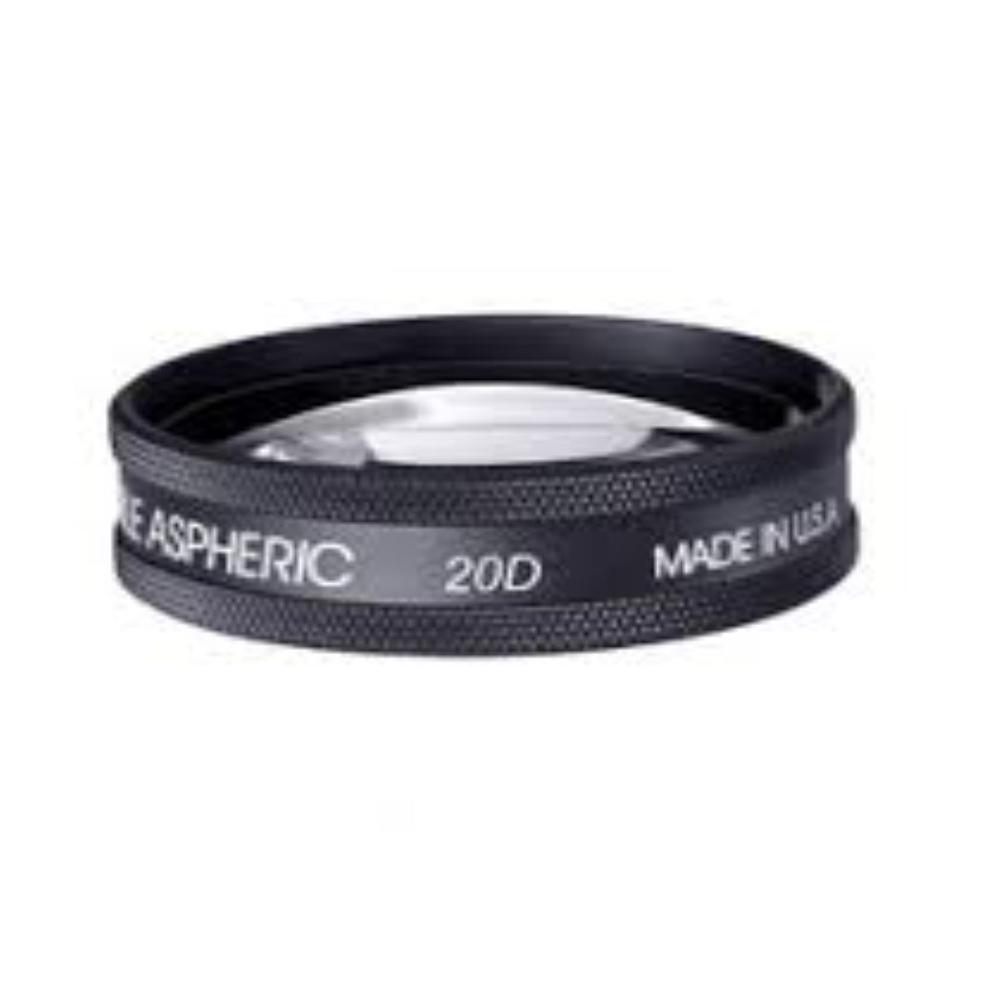
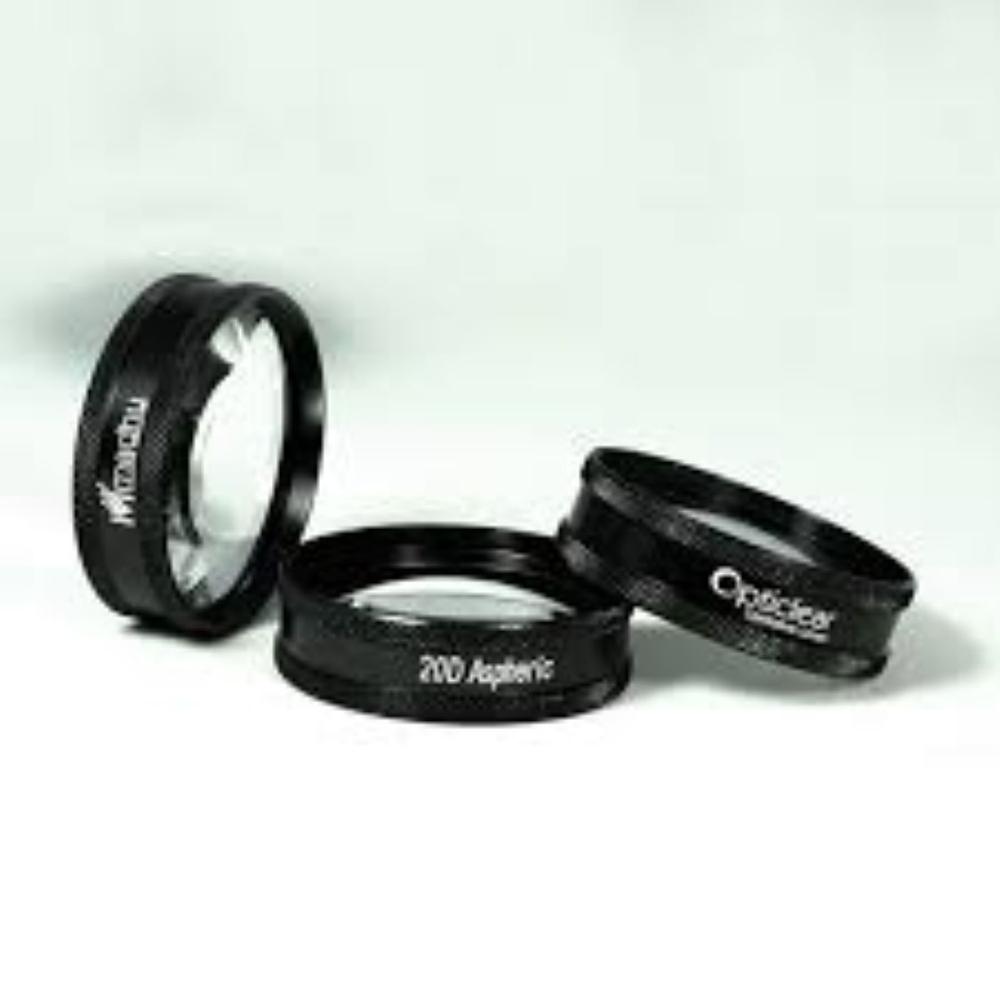
20 D Diagnostic Ophthalmic Non-Contact Slit Lamp Lens Specification
Type
Non-Contact Slit Lamp Lens
Frame Material
Aluminum Alloy
Frame Color
Black
Lenses Material
High-Quality Optical Glass
Lenses Color
Clear
Attributes
Non-Contact, Diagnostic Use, Slit Lamp Compatible
Age
Adult
Image Magnification
3.13x
Laser Spot Magnification
0.32x
Compatibility
Fits Most Standard Slit Lamps
Diopter Power
+20D
Diameter
50 mm
Field of View
46°
Coating
Multi-Layer Anti-Reflective Coating
Working Distance
50 mm
Weight
Approx. 45 g
Usage
Fundus Examination, Ophthalmic Diagnostic
20 D Diagnostic Ophthalmic Non-Contact Slit Lamp Lens Trade Information
Minimum Order Quantity
1 Piece
Delivery Time
2 Days
About 20 D Diagnostic Ophthalmic Non-Contact Slit Lamp Lens
A 20D optical lens is a diagnostic tool used in ophthalmology for examining the retina and other posterior structures of the eye via binocular indirect ophthalmoscopy. It provides a wide field of view and moderate magnification.
Key Specifications
Attribute
Detail
Use
General diagnostic examinations of the fundus and retina.
Design
Typically features double aspheric glass optics to minimize distortion and aberrations.
Magnification
Offers approximately 3.13x image magnification.
Field of View
Provides a 46 static field of view, expanding to 60 dynamically.
Working Distance
Has a comfortable working distance of 50 mm from the patient's eye, which is a key factor in its popularity.
Coating
Features multi-layer anti-reflective coating to enhance brightness and clarity.
Material
Made from high-quality optical glass for durability and image quality.
Exceptional Optical Precision
The 20 D Non-Contact Slit Lamp Lens is meticulously crafted from high-quality optical glass, delivering outstanding clarity for fundus examinations. The multi-layer anti-reflective coating minimizes reflections, allowing for accurate diagnostics and comfortable viewing for both patient and examiner.
Versatility and Compatibility
Designed to fit most standard slit lamps, this lens ensures seamless integration into your existing ophthalmic equipment. Its user-friendly non-contact design and robust aluminum alloy frame make it suitable for daily use in clinics, hospitals, and diagnostic centers.
Lightweight and Ergonomic
Weighing approximately 45 grams and featuring a 50 mm diameter, this lens offers exceptional handling and stability during use. Its ergonomic design enhances user comfort while maintaining the durability needed for regular clinical applications.
FAQ's of 20 D Diagnostic Ophthalmic Non-Contact Slit Lamp Lens:
Q: How is the 20 D Diagnostic Slit Lamp Lens used during eye examinations?
A: This lens is placed in front of the patient's eye, without touching it, while being aligned with the slit lamp. It enables ophthalmologists to examine the fundus, providing a magnified and clear image for accurate assessment of retinal and optic nerve health.
Q: What are the main benefits of using a non-contact slit lamp lens for fundus examination?
A: Non-contact slit lamp lenses minimize patient discomfort and reduce the risk of contamination while delivering high-quality, wide-field views of the eye's interior. The 46 field of view and 3.13x image magnification contribute to detailed and comprehensive diagnostics.
Q: When should I use the 20 D lens over other diopter options in ophthalmology?
A: The +20D lens is ideal for routine fundus examinations when moderate magnification and a wide field of view are required. It is well-suited for adult diagnostic use and is commonly chosen for general assessment of retinal conditions.
Q: Where can this lens be used within a clinical setting?
A: This lens is compatible with most standard slit lamps, making it suitable for use in hospitals, ophthalmic clinics, vision centers, and other diagnostic facilities where fundus imaging and eye evaluations are performed.
Q: What makes the construction materials of this lens advantageous for ophthalmic diagnostics?
A: The aluminum alloy frame offers a lightweight yet durable structure, while the optical glass lenses ensure precise imaging. The multi-layer anti-reflective coating enhances visibility and accuracy, contributing to reliable diagnostic outcomes.
Q: How does the multi-layer anti-reflective coating affect the examination process?
A: The advanced anti-reflective coating reduces unwanted glare and light reflections, resulting in clearer, sharper images. This enhances the examiner's ability to detect subtle details in the retina and increases overall diagnostic accuracy.
Tell us about your requirement
Price:
Quantity
Select Unit
50
100
200
250
500
1000+
Additional detail
Mobile number
Email
Name
Comapny Name
Phone Number
Email Id
City / State
Confirm Your Requirement
Verification Code
Did not receive yet?
Resend OTP
You’re Done!
We have received your requirements and will reply shortly with the best price.




 Send Inquiry


 Send Inquiry